Board Game Printing and Manufacturing
Board game production is manufacturing — not just printing. Every project involves multiple components that need to be designed, produced, and assembled to work together as a finished product. Since 2009, we've guided thousands of indie creators through this process, and we'd like to help with yours.
Get Started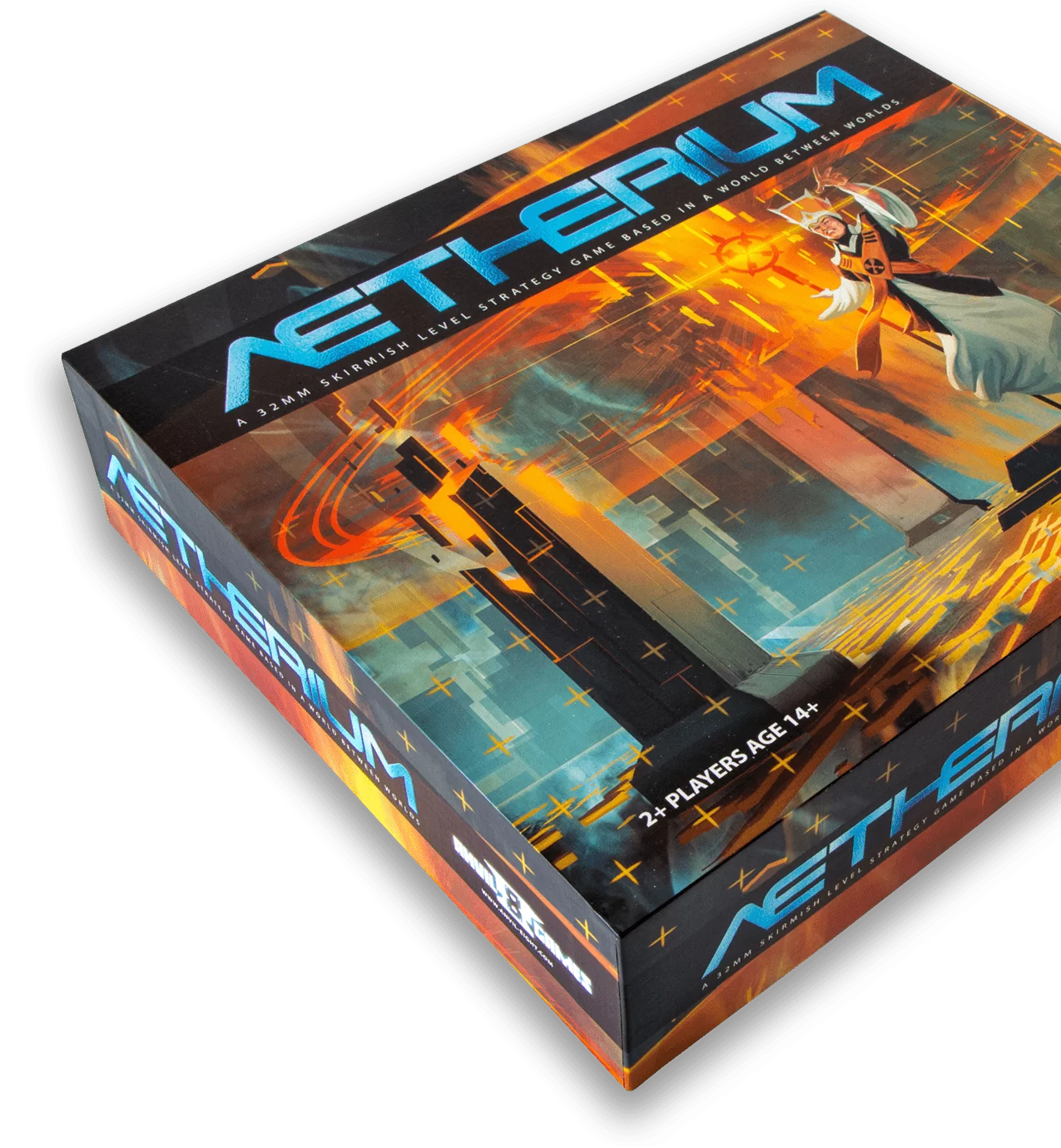
What Our Customers Say
What Goes Into a Board Game?
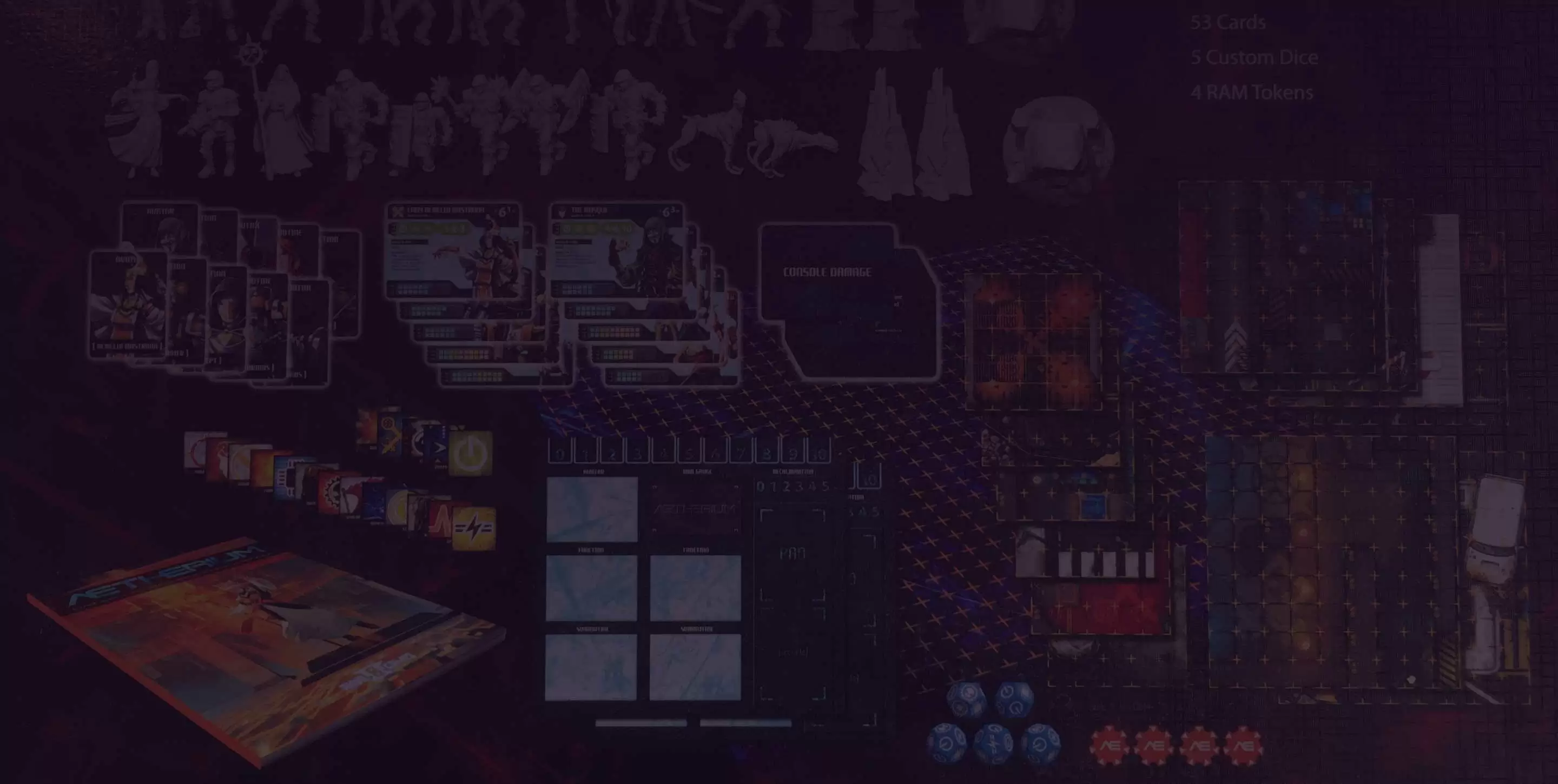
A board game isn’t a single printed piece — it’s a manufactured product made up of many individual components that all need to fit together inside a box. A typical project might include a folding game board, multiple decks of cards, punch-out tokens and tiles, dice, a rulebook, and custom packaging with an insert tray to hold everything in place.
That complexity is what makes board game production fundamentally different from book or card printing. Each component has its own specifications, file requirements, and production process. The game board is printed and mounted to chipboard, then scored and folded. Cards are printed, cut, and collated into decks. Tokens are die-cut from thick chipboard. And all of it needs to be assembled into packaging that protects the components during shipping and looks great on a shelf.
This is why having an experienced manufacturing partner matters. We coordinate every component through production, manage the assembly process, and inspect the finished product before it ships.
Components We Manufacture
| Component | Options | Setup Guide |
|---|---|---|
| Game boards | Bi-fold, tri-fold, quad-fold; multiple sizes; matte or gloss lamination | Game board guide |
| Playing cards | Poker, tarot & custom sizes; multiple card stocks; matte or gloss finish | Card setup guide |
| Tokens & tiles | Custom punch-out shapes; 1mm, 1.5mm, or 2mm chipboard | Token setup guide |
| Dice | Standard d6, custom engraved, custom shapes & sizes | Dice setup guide |
| Rulebooks & booklets | Saddle stitch (up to 64 pages) or perfect bound; multiple paper stocks | Binding guide |
| Packaging | Tuck boxes, two-piece rigid boxes, magnetic closure, custom inserts & trays | Packaging guide |
Game Board Options
The game board is often the centerpiece of your project, and getting the size and fold configuration right is one of the most important early decisions.Standard sizes range from compact (roughly 14″ x 14″ unfolded) up to large format boards (roughly 28″ x 28″). Your board size needs to work with your packaging — the folded board must fit inside your box with room for other components. See our board game size guide for detailed dimensions.
Folding options include bi-fold (one center hinge), tri-fold (two parallel folds), and quad-fold (two perpendicular folds that create four equal panels). Each fold type affects the final folded dimensions and the gameplay surface layout. See our folding options guide for diagrams and templates.
All game boards are printed on coated paper, laminated with gloss or matte film, and mounted to 2mm or 3mm greyboard with a linen-textured backing.
Choosing a Fold Type
Bi-fold boards are simplest and work well for smaller games. Tri-fold gives you more surface area in a compact folded size. Quad-fold is the standard for larger, more complex games — it folds down to one quarter of the play surface and fits neatly into a square or near-square box.
Card & Component Options
Playing Cards
Available in poker (2.5 x 3.5 in), tarot (2.75 x 4.75 in), and custom sizes. Choose from blue core, black core, or standard card stock in 280–350gsm weights. Gloss, matte, or linen finish.
Tokens & Tiles
Custom die-cut shapes punched from 1mm, 1.5mm, or 2mm chipboard. Printed full-color on one or both sides with gloss or matte lamination. Any shape your game requires.
Dice
Standard 16mm d6 in solid colors with printed or engraved pips. Custom dice with unique faces, non-standard shapes, and special colors are available for larger orders.
Rulebooks
Saddle-stitched booklets for rules up to about 64 pages, or perfect bound for longer rulebooks. Full CMYK color on coated or uncoated paper stock.
Packaging
Packaging is where your board game becomes a retail product. The box is the first thing a customer sees, and it needs to protect every component inside during shipping and handling.- Tuck boxes — Folding carton boxes, cost-effective for lighter games and card-focused products. Printed full-color with gloss or matte lamination.
- Two-piece rigid boxes — Separate lid and base wrapped in printed paper. The industry standard for premium board games. Rigid construction protects components and displays beautifully on retail shelves.
- Magnetic closure boxes — Premium rigid boxes with built-in magnetic flap closure. Ideal for collector’s editions and high-end games.
- Custom inserts & trays — Thermoformed plastic trays or die-cut cardboard inserts designed to hold each component in place. We work from your component list to create a tray layout that fits everything securely.
See our full packaging options guide for specifications and templates.
Box Quality Matters
Two-piece rigid boxes are the standard for tabletop board games for good reason — they're sturdy enough to survive shipping, they stack well on retail shelves, and they give customers the premium unboxing experience they expect. Tuck boxes work well for smaller, lighter games, but most board games with a folding board and multiple components will need a rigid box.
The PrintNinja Board Game Process
Board game manufacturing takes longer and involves more steps than book or card printing. Here’s how a typical project moves from quote to delivery:
- Consultation & quoting — We start with your component list. Tell us what’s in the box — board size, number of card decks, tokens, dice, rulebook, packaging type — and we’ll build a detailed quote. Use our board game order flow to get started.
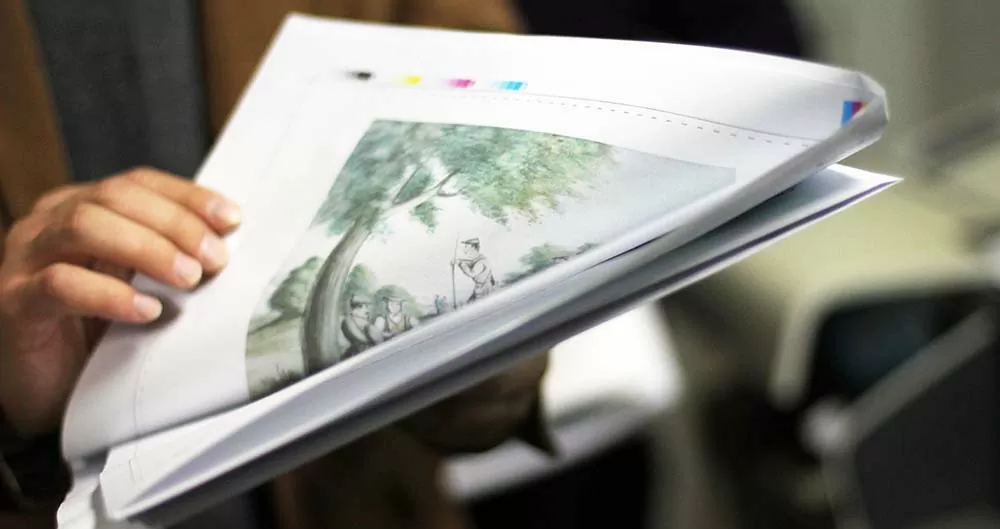
- File preparation — You submit artwork for each component separately. Our prepress team reviews every file for bleed, resolution, color mode, and die-line accuracy.
- Proof review — Approve digital proofs for each component. For complex projects, we recommend a physical pre-production sample so you can see and handle the finished product before committing to the full run.
- Production — Each component is manufactured on its own production line: boards are printed and mounted, cards are printed and cut, tokens are die-cut, and packaging is assembled. This phase typically runs 4–6 weeks.
- Assembly & inspection — All components are collated, placed into packaging with insert trays, and shrink-wrapped. Our China-based team inspects the finished games before they ship.
- Shipping & delivery — We ship to you, your fulfillment center, or directly to your Kickstarter fulfillment partner. Ocean freight is included on most orders, with a typical transit time of 4–5 weeks.
Planning a board game?
Our design guide covers component planning, file setup, and common mistakes to avoid when preparing your first board game for manufacturing.
Board Game Design GuideWho Makes Board Games with PrintNinja?

Indie Game Designers

Kickstarter Creators

Game Publishers

Educational Game Makers
Frequently Asked Questions
How much does it cost to manufacture a board game?
Board game costs depend on the number and complexity of components, packaging type, and order quantity. A straightforward game with a folding board, one card deck, tokens, a rulebook, and a rigid box might run $8–$15 per unit at quantities of 1,500+. Games with more components, custom dice, or premium packaging will cost more. Use our board game order flow to get a detailed quote based on your specific component list.
What is the minimum order for board game manufacturing?
Our minimum order for board games is typically 500 units, though some component configurations may require higher minimums. Custom dice and specialty components sometimes have minimum quantities of 1,000+. Per-unit costs drop significantly at higher quantities — most Kickstarter creators order 1,500–3,000 copies.
How long does board game manufacturing take?
Plan for 10–14 weeks total from proof approval to delivery. Production itself runs 4–6 weeks, and ocean freight shipping adds another 4–5 weeks. Complex projects with many components or custom tooling (like custom dice molds) may take longer. We recommend building a timeline with your account manager before launching a Kickstarter campaign.
Can you make custom dice and tokens?
Yes. We produce custom engraved dice, dice with unique face designs, and non-standard dice shapes. Tokens and tiles can be die-cut into any shape from 1mm, 1.5mm, or 2mm chipboard, printed full-color on one or both sides. Custom dice molds require a tooling fee and slightly longer lead times.
Do you help with packaging design and insert trays?
We provide box templates and die-line files for your graphic designer to work with. For insert trays, send us your final component list with dimensions and quantities, and we’ll design a thermoformed tray layout that holds everything securely. We can also work with die-cut cardboard inserts as a cost-effective alternative to plastic trays.
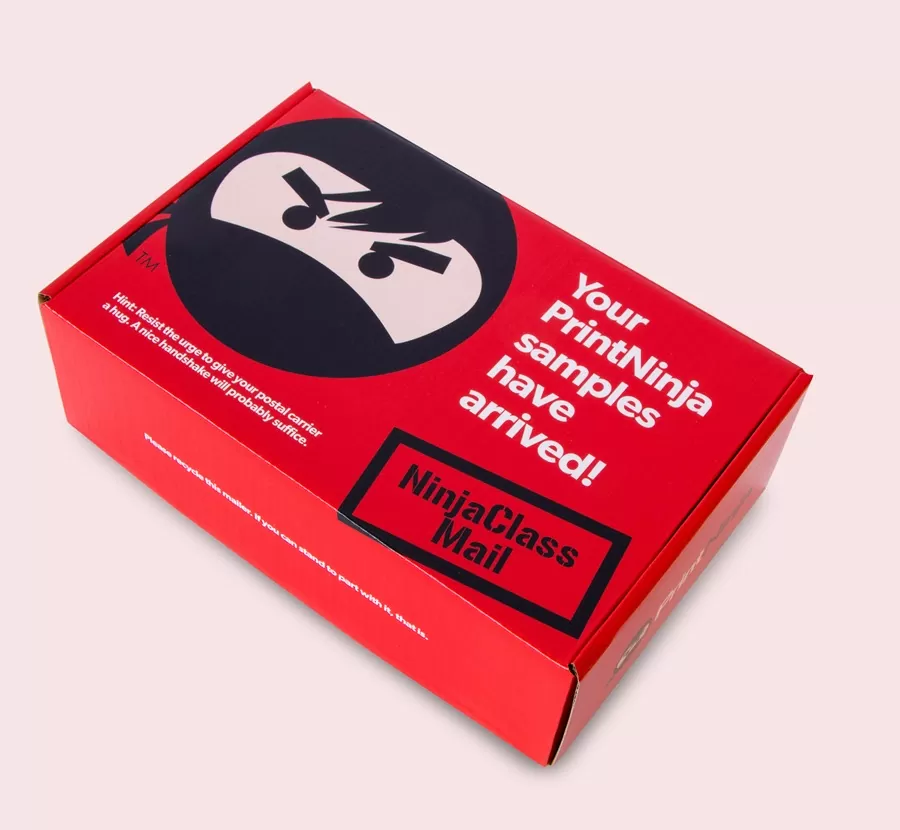
Need Some Samples?
There are too many variations in board game components to offer a single board game sample pack, so we recommend our Card Sample Pack for board game creators. Most board games include at least one deck of cards, and the sample pack gives you hands-on experience with our card stocks, finishes, and print quality.
The PrintNinja Standard Card Sample Pack includes:
- Complete collection of our card stock types
- Hands-on examples of paper coatings and finishes
- Printed samples of specialty add-ons
- Foil stamping color options
- Need-to-know file setup tips
- Walkthrough of our customer-friendly services