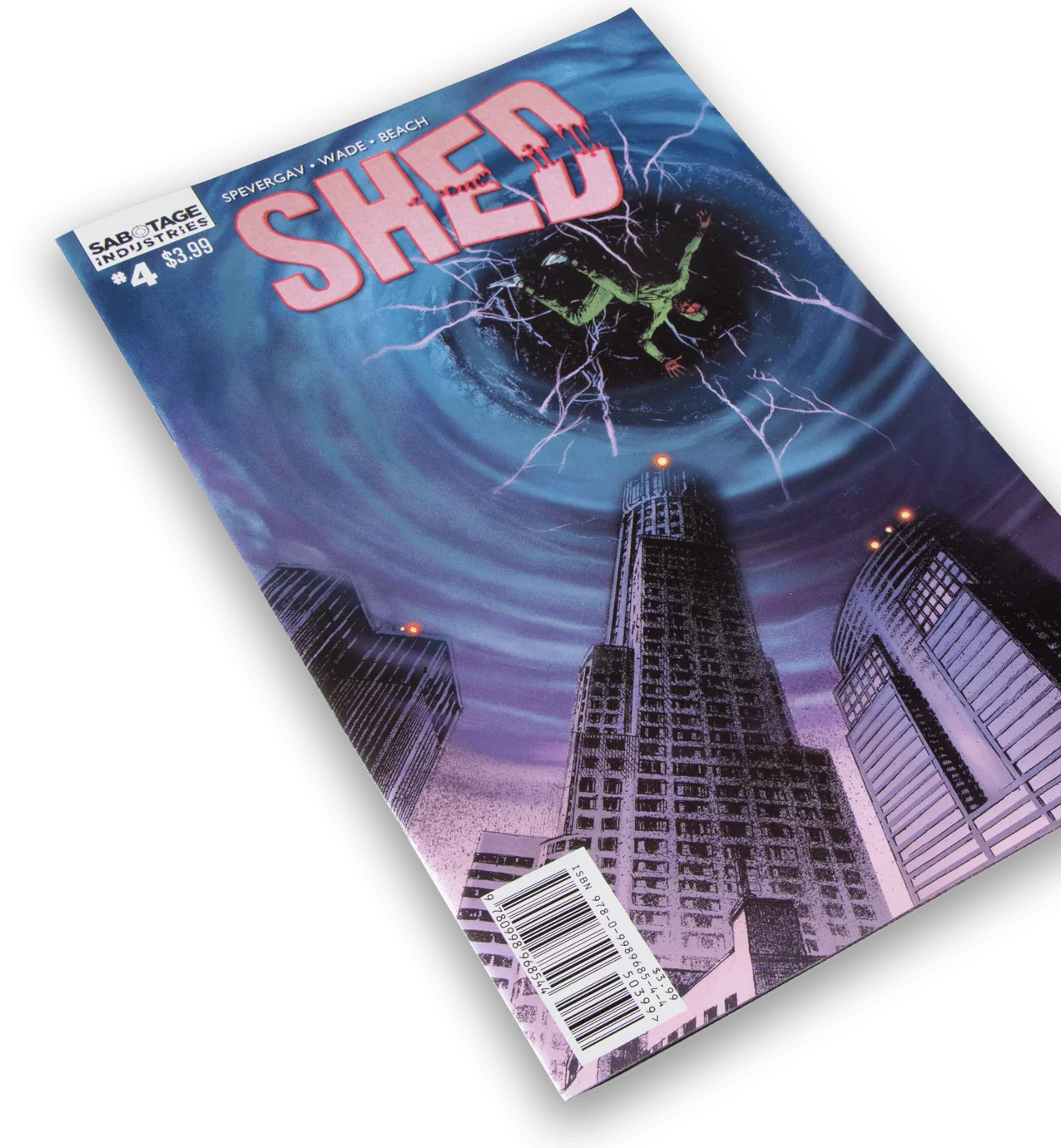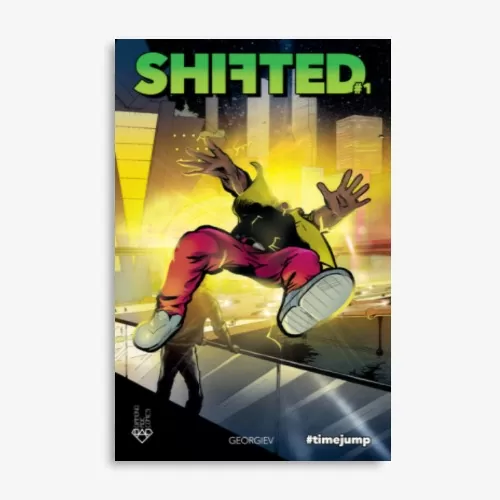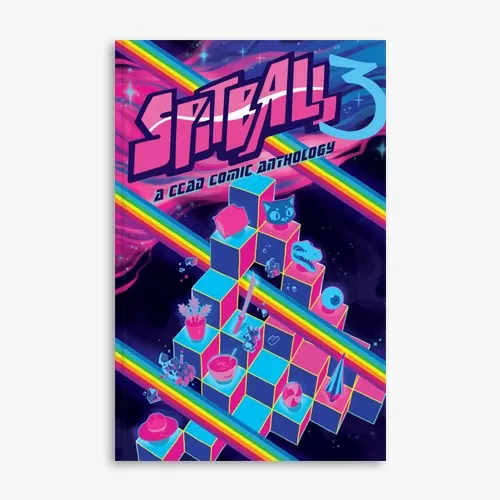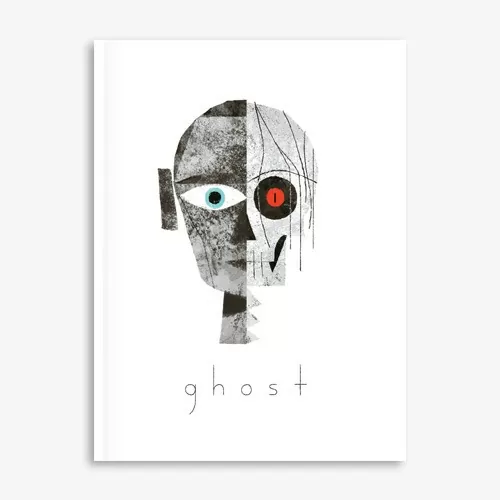
Premium Manga Printing
Print authentic manga with right-to-left binding, digest sizing, and your choice of B&W or full-color interiors. Offset quality at scale for creators, publishers, and Kickstarter campaigns.
Get an Instant Quote
What Our Customers Say
What Makes Manga Different?
Manga isn’t just a comic book printed smaller. It follows distinct production conventions rooted in Japanese publishing tradition that affect every aspect of the printed book — from page order to paper choice to trim size.
Right-to-left reading order is the most visible difference. Authentic manga is bound on the right side, with pages flowing from back to front by Western standards. Our prepress team is experienced with right-to-left pagination and will verify your page order before production begins.
Digest sizing (typically 5″ × 7.5″, based on the Japanese B6 format) gives manga its compact, portable feel. This smaller trim size is part of the reading experience — it’s designed to be held in one hand.
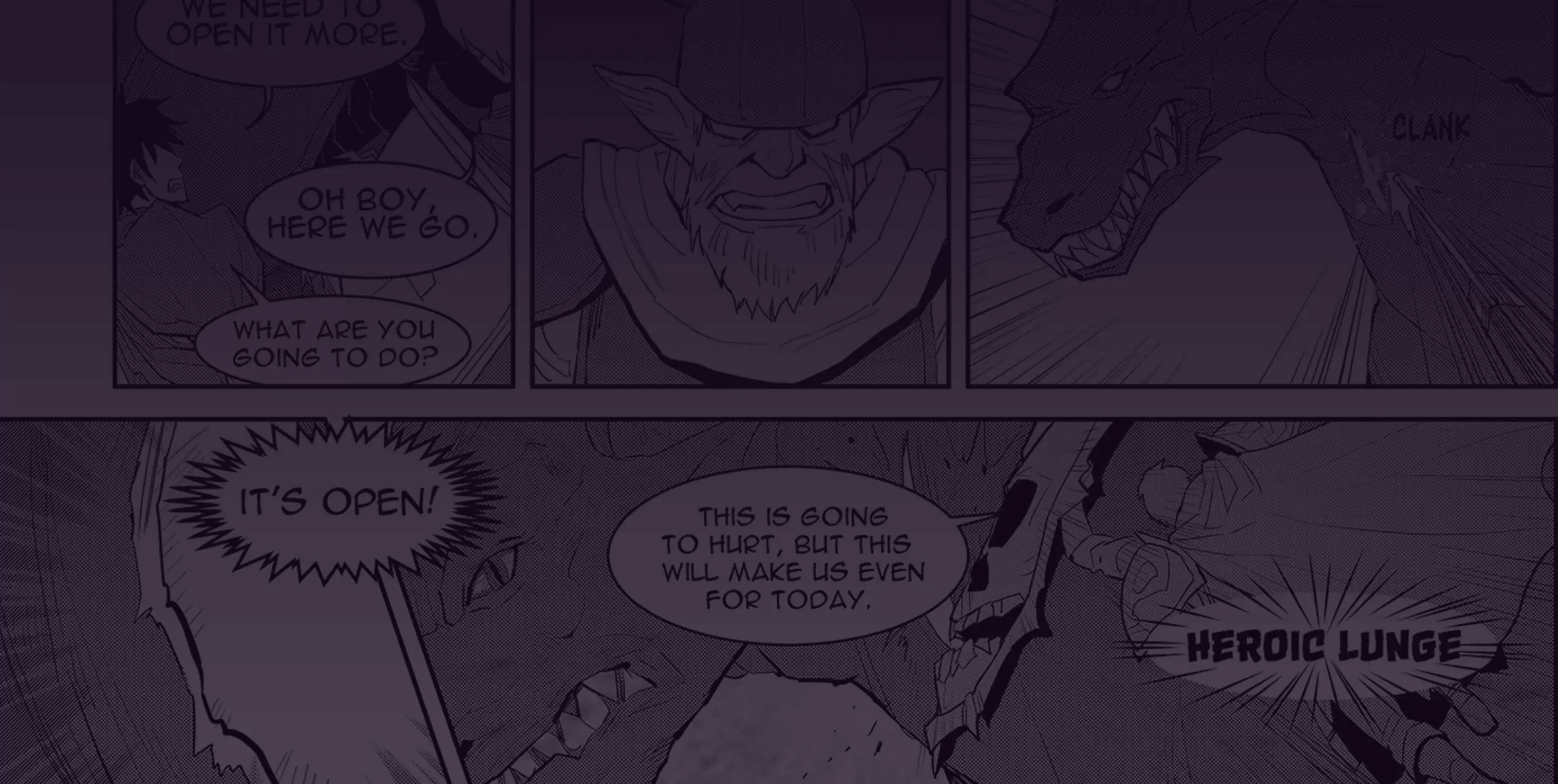
Black-and-white interiors are standard for most manga, printed on lightweight uncoated paper that absorbs ink cleanly and produces the soft, matte page texture readers expect. Full-color manga and color insert pages are also available for creators who need them.
Manga Formats We Print
| Format | Trim Size | Notes |
|---|---|---|
| Standard manga (B6 / digest) | 5″ × 7.5″ | The most common format for English-language manga. Matches major publisher sizing. |
| Oversized manga | 6″ × 9″ | Popular for omnibus editions, deluxe reprints, and titles with detailed artwork. |
| Large format manga | 7″ × 10″ | Used for collector’s editions and art-focused titles where panel detail matters. |
| Mini manga / doujinshi (A5) | 5.8″ × 8.3″ | Standard for Japanese self-published works. Common at conventions and comic markets. |
We also print custom sizes. If your project calls for a non-standard trim, we can accommodate it.
Paper Options for Manga
Paper choice is critical for manga — it affects how ink sits on the page, how much show-through you get, and how the book feels in the reader's hands.
- 60# uncoated text — The classic manga paper. Lightweight with a soft, absorbent surface that reproduces screentone and line art beautifully. The most popular choice for B&W manga interiors.
- 70# uncoated text — Slightly heavier with less show-through between pages. A good option for manga with dense, dark panels or heavy ink coverage.
- 80# gloss text — Smooth, bright surface for full-color manga. Makes color pages vivid and saturated.
- 80# matte text — Non-reflective coated paper. Works well for color manga where you want rich reproduction without glare.
Covers are typically printed on 80# or 100# cover stock with gloss or matte lamination.
Pro Tip
Black-and-white manga works best on uncoated paper. The porous surface absorbs ink in a way that gives screentones and line art that authentic, slightly soft look readers associate with manga — coated paper makes B&W art look too sharp and clinical.

Binding Options
Perfect Binding
The standard binding for manga volumes with 100+ pages. Pages are glued to a flat spine with a wraparound cover, producing the clean, compact format readers expect from manga tankōbon.
Saddle Stitch
Stapled through the spine fold. A practical option for shorter manga chapters, preview issues, or convention samplers up to about 64 pages.
Hardcover (Case Binding)
Sewn signatures bound into a rigid case. The premium choice for omnibus collections, deluxe editions, and collector's volumes that combine multiple tankōbon into one book.
Specialty Options
- Dust jackets — A hallmark of Japanese manga publishing. Removable printed jackets wrap over the cover, often concealing bonus artwork or author notes on the cover beneath.
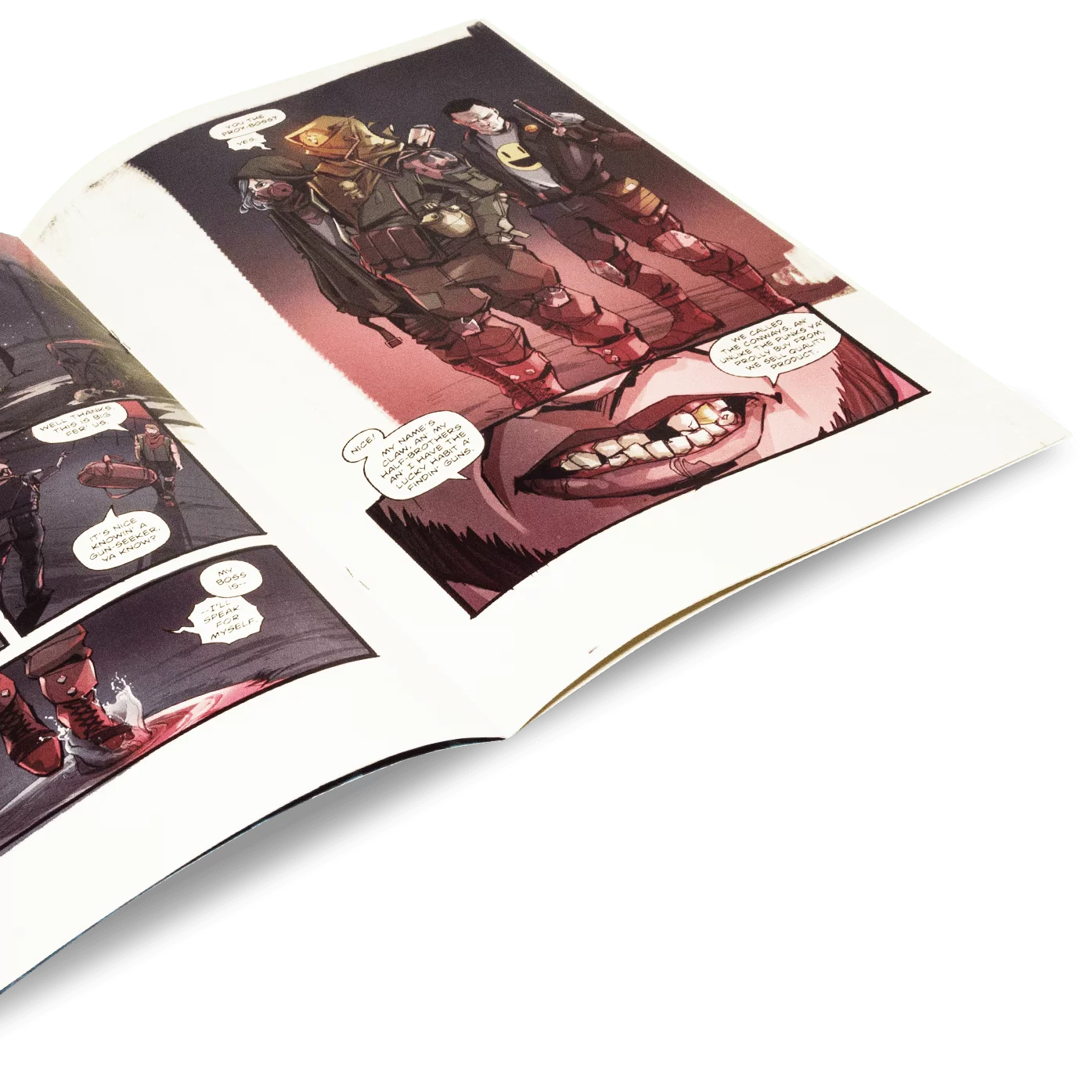
- Color inserts — Add full-color pages within a B&W interior. Commonly used for opening splash pages, character profiles, or bonus art sections.
- Variant covers — Print multiple cover designs for the same interior. Ideal for convention exclusives, Kickstarter reward tiers, and limited editions.
- Foil stamping — Metallic foil on titles, logos, or cover elements for a premium, collectible finish.
Pro Tip
Dust jackets are a hallmark of premium manga editions. In Japan, nearly every tankōbon ships with a dust jacket — adding one to your English-language release instantly signals quality and authenticity to manga readers.
The PrintNinja Manga Process
- Get a quote — Use our instant online calculator to price your manga based on page count, trim size, paper, binding, and quantity.
- Upload artwork — Submit print-ready PDFs in the correct page order (right-to-left if applicable). Our prepress team reviews every file for bleed, resolution, color mode, and pagination.
- Proof review — Approve a digital proof (or order a physical proof) to verify page order, ink density, and overall quality before production begins.
- Production — Your manga is printed, bound, trimmed, and packaged at our production facility using offset presses calibrated for clean line art and screentone reproduction.
- Delivery — We ship to you, your distributor, or your fulfillment center. Free ocean shipping on most orders.
Ready to print?
Our manga design guide covers file setup, page order conventions, and bleed requirements specific to manga production.
Manga Design GuideWho Prints Manga with PrintNinja?

Manga Creators

Webcomic Artists

Kickstarter Creators

Indie Publishers
Frequently Asked Questions About Manga Printing
How is manga printing different from comic book printing?
Manga differs from Western comics in several key ways: it’s typically printed at a smaller digest size (5″ × 7.5″ vs. 6.625″ × 10.25″), reads right-to-left, uses B&W interiors on uncoated paper rather than full-color on glossy stock, and generally has higher page counts (150–250 pages vs. 24–32 for single-issue comics). These differences affect paper choice, binding method, and pagination setup.
What size is a standard manga?
The standard English-language manga size is 5″ × 7.5″, based on the Japanese B6 format (also called digest size). This is the format used by major publishers like Viz Media and Kodansha USA. We also print oversized manga at 6″ × 9″, large format at 7″ × 10″, and A5 doujinshi at 5.8″ × 8.3″.
Can you print right-to-left manga?
Yes. We regularly print right-to-left manga with the spine on the right side and pages flowing in the traditional Japanese reading direction. Our prepress team is experienced with right-to-left pagination and will verify your page order during the proof review stage to ensure everything reads correctly before production.
What is the minimum order for manga printing?
Our minimum order is 500 copies for offset manga printing. Offset gives you significantly better quality and lower per-unit costs compared to print-on-demand, especially for manga where paper texture, ink absorption, and consistent reproduction of screentones and line art are critical to the reading experience.
What paper is best for manga?
For B&W manga, 60# uncoated text is the most popular choice — it’s lightweight, absorbs ink cleanly, and gives screentones and line art the soft, authentic look manga readers expect. For full-color manga, 80# gloss text delivers vibrant color reproduction. If you want minimal show-through on a B&W book, step up to 70# uncoated text. Order a sample pack to compare paper options firsthand.
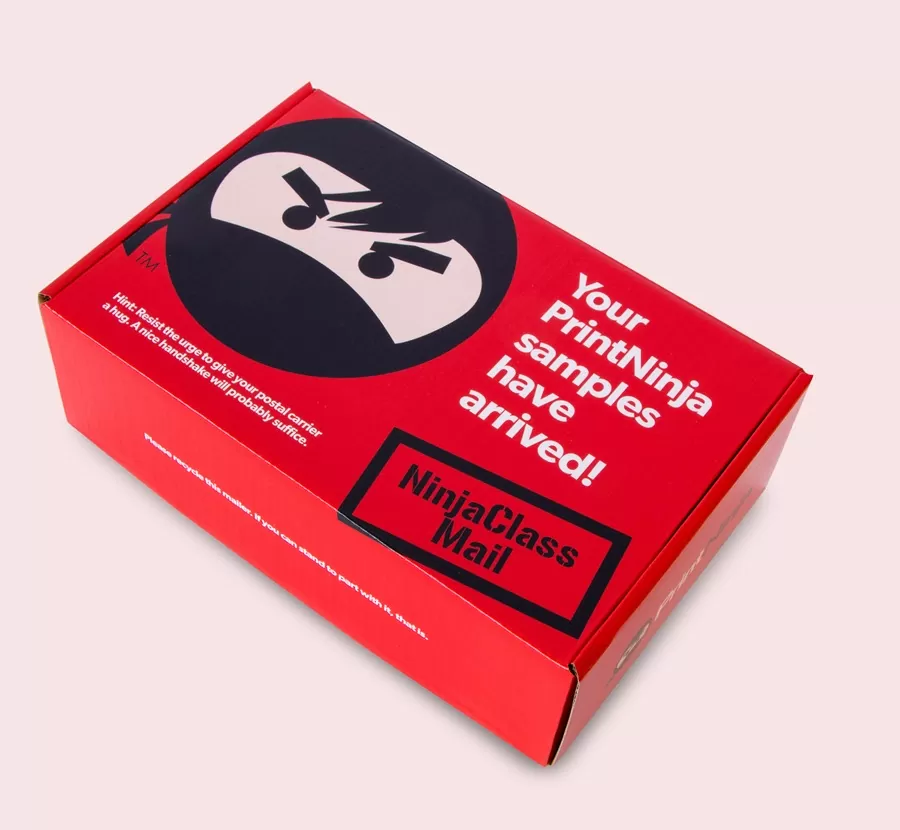
Need Some Samples?
Order a Sample Pack to get paper samples, printing tips, and samples of our work. See and feel the paper options available for your manga before you commit to a print run.
The PrintNinja Standard Sample Pack includes:- Complete collection of our paper types
- Hands-on examples of paper coatings and finishes
- Printed samples of specialty add-ons
- Foil stamping color options
- Need-to-know file setup tips
- Walkthrough of our customer-friendly services