How Many Copies Should You Print? A Self-Publisher’s Guide to Print Run Quantity
Published April 22, 2026 · Updated April 27, 2026
How to Bleed: Tips and Tricks for Self-Publishers — Part 1 of 7
By Jeff Zwirek, Director of Operations at PrintNinja
In this post:
Been here? Your creative project is complete. You feel amazing. You’ve put so much of your energy, time, and life into this project and you are finally on the precipice of sharing it with the world. But you are lost. How do you tackle printing your creation?
The journey of self-publishing requires some critical questions in order to know how best to proceed with a printing solution, so here are some rules for achieving clarity on what this dream project of yours will look and feel like. This seven-part breakdown will give you all the tools you need to approach printing your project like a professional.
5 Questions to Determine Your Print Run Quantity
Here are five questions that will help you identify the right quantity for your project.
1. Can you sell the amount of units you are pricing?
If your business strategy only makes money if you sell the entire print run, then how confident are you in selling all of them? If you have no basis of previous sales to gauge this against, this can be very hard to determine and you might just have to guess and leap in. This might mean losing some money on a small digital run so you can determine what level of demand there is for your project.
I sold my own photocopied mini-comics for years to help determine the quantities I would need in print runs. I often printed too many, or not enough. It’s a game to figure out, but cheap mini-comics and marketplaces like comic conventions that specialize in those products are an excellent way to get started at a modest cost. This is real-world market research.
2. Can you sell your project at that price point?
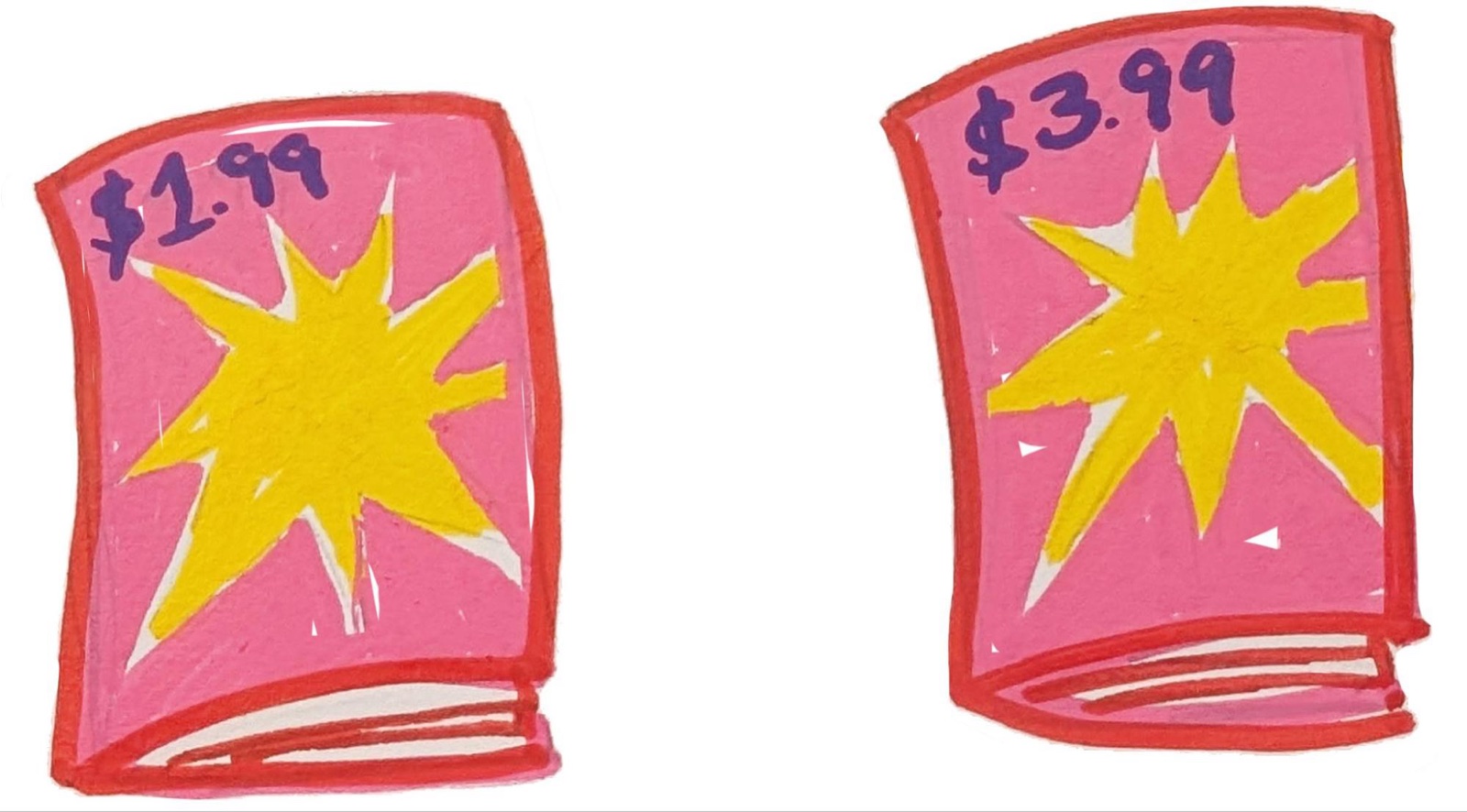 Especially if you have made a small run, you will have to include a larger price to pay for it, so you should ask yourself if your project is priced correctly for the market. Do some research on products of similar quality. At the end of the day most customers are very sensitive to price, so chances are you will be better off keeping your price as low as possible to achieve larger sales.
That being said, there are stories out there about a product selling better with a price increase. Sometimes the price point is an indicator of value, so if your project has a high level of polish but the price is low, that discrepancy can cost you sales.
3. What other costs went into making your project?
Sure you’ll have the printing costs, but what other expenses do you need to consider when selling your project?
Maybe you’ve used a crowdfunding platform to raise the money for the costs of printing. What percentage does the platform take? There are often tax obligations that come along with how and when you spend that money. If you spend it in the same year that you received the funds, you may not need to pay taxes on them.
Do you want to get an ISBN and barcode for your project? This will also be addressed in your distribution plan, but often if you want to sell in bookstores or have your project in a library you will need to invest in these.
Do you have a collaborator or freelancer for the project that needs to be paid? It’s never been easier to find freelance help in the information age, so maybe you hired an artist to help with your children’s book, or the box for your card game. Have those costs been added into your total project costs when you are factoring in the profits?

Are you paying yourself? It’s often the case that if you did value your own time in the same fashion as you charge other people, your project would just cost too much to justify. But that’s your business-side talking. An investment of your time for something you are passionate about, and the ability to have your vision and voice heard, is where the artist-side needs to take control. Anyway, billion-dollar companies have been built by people who invested years of their own labor at little or no cost.
4. Do you have space for storage?
Do you know how much space 2,000 books or games will use up? Will you have space in your house or apartment? Is it climate controlled? Can you cover the costs of storage if you don’t have that room?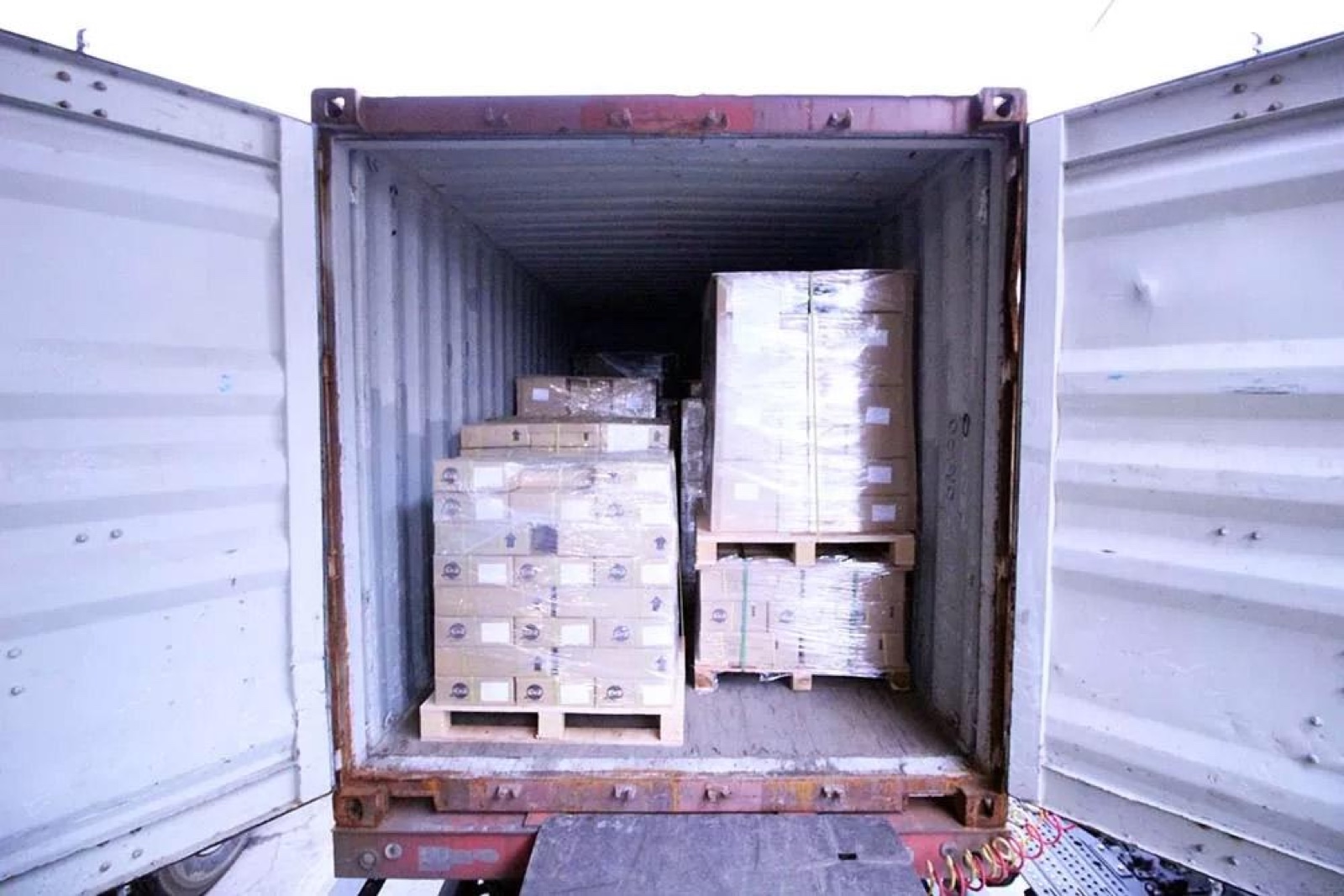
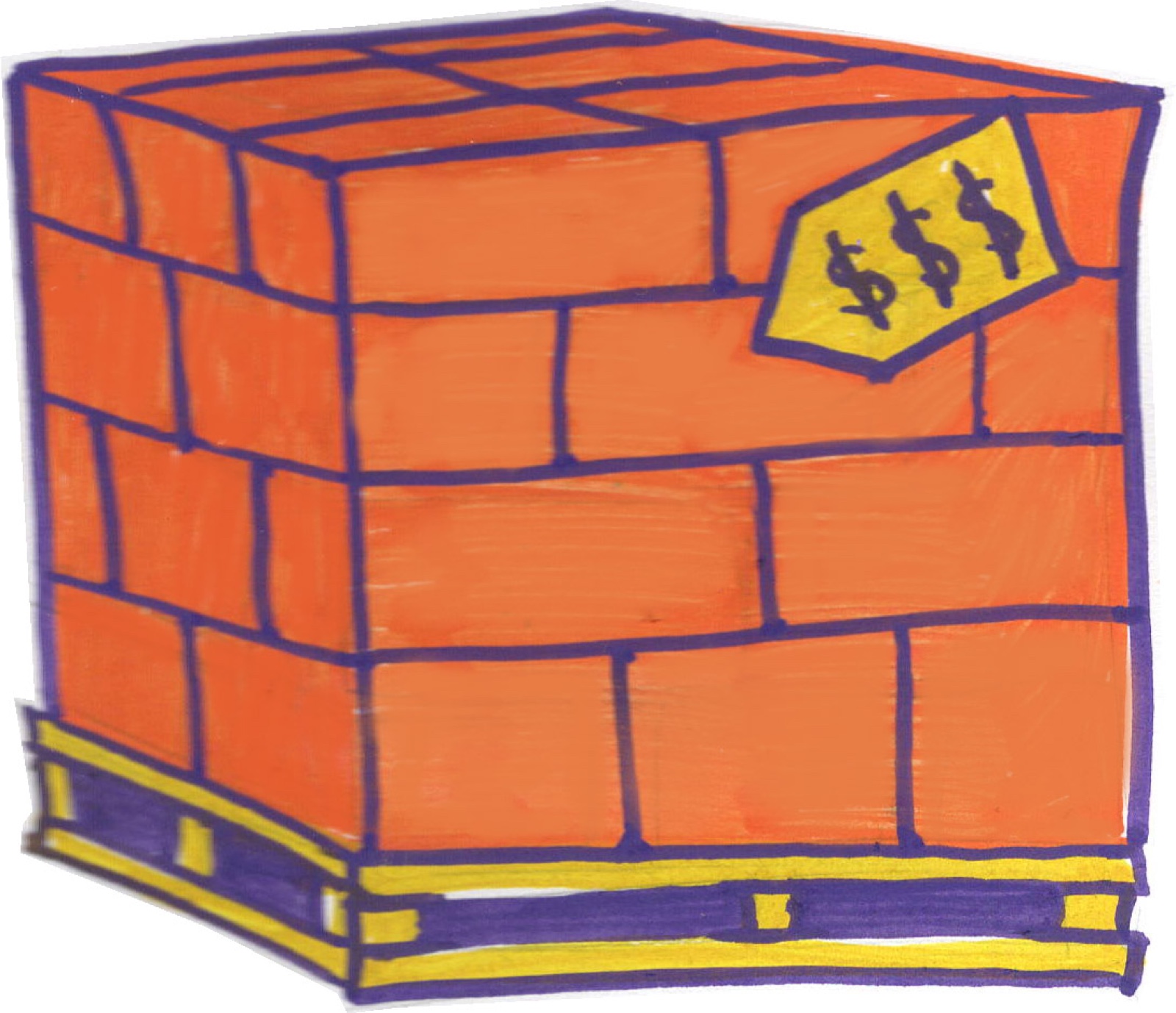
If you only need 500 units, chances are you can find space in a closet or extra room, but if you are getting 5,000 units you better start measuring where something the size of a shipping pallet can fit.
We can help you with estimating the space these things require, but you should always imagine them taking up more space than you may think. Especially if you are working on a high page count book. It’s easy to forget that a high page count book can take up as much space as several low page count books.
Here is an area where game creators can have a huge advantage. If you are creating a game the size of a poker deck, not only does that take up far less space than an average-sized book, but they weigh far less as well. So in addition to having fewer storage issues, your shipping costs will be far less than a book creator equivalent.
5. How are you selling your project?
Again, if you are selling 50 of something versus 5,000 of it, you will face major differences in that challenge. Think about where you’ll actually sell the book as you consider the quantity.
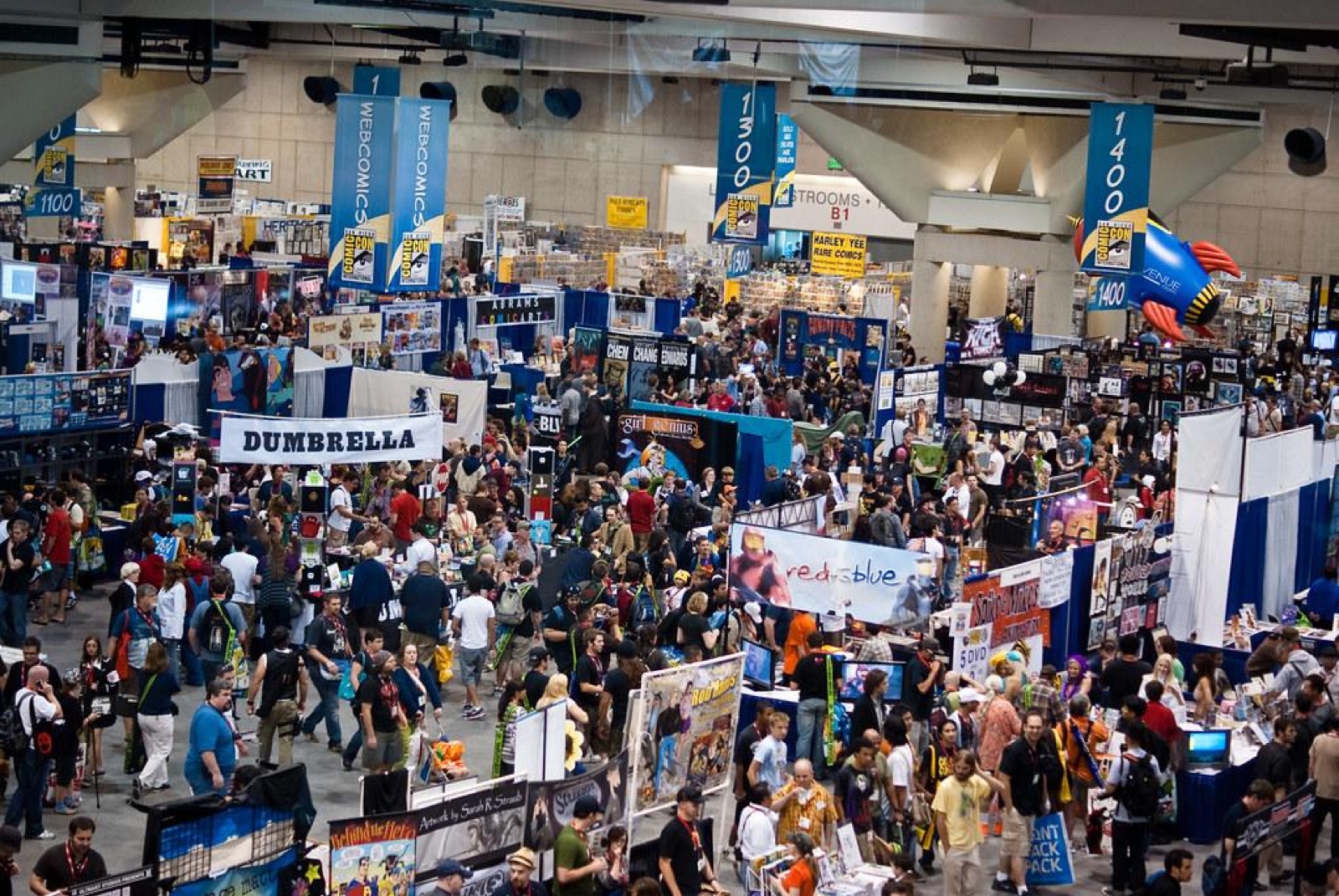
Are you selling by hand at conventions and trade shows? How many do you think you can sell at each event and how many events do you plan to attend in that year? How long do you want the inventory to last?
Gonna sell on your website? Do you have a site that can sell a product with a shopping cart? If you are the person packing up those orders, do you have the supplies for that?
Maybe you want to use a 3PL, or a marketplace like Amazon. Maybe that’s perfect for you, but just remember that with no proven sales history knowing how many to print will be very difficult, or just a downright guess. Handing the sale and fulfillment to someone else will save you a lot of potential headaches, but be ready to also give up a healthy amount of profit if that’s the plan. Those strategies will usually only work at very high volume with steady sales. If you are starting out, you are better off doing it yourself.
Maybe you have a distributor in mind. That would be amazing — distributors are often experts at selling specialized products. They will of course take their portion of the sale, and they might require things you haven’t considered before: an ISBN, specific carton sizes, even input on the retail price you determine together. They may even give you a specific target of quantities they want to buy in advance. Having that known ahead of buying the printing is a huge advantage. Just make sure there is also a plan for unsold merchandise. Is the distributor buying your books or games outright? Sometimes they are buying a portion only on condition of the sale, and the remainder is returned. When you sign an agreement with a distributor, make sure all of that is laid out in detail.
Real-World Pricing: How Quantity Affects Your Per-Unit Cost
But maybe the economics of the project will make the biggest impact. After all, money talks.
Let’s look at some real-world examples and put all these words into action.
An excellent way to think about the budget of your project is to consider the “per-unit cost.” This is the value that each book costs to produce, represented simply by taking the total production cost and dividing it by your quantity.
As you can see in the configuration below, we’re looking at a simple standard comic book at 500 units.
| Quantity | Total Price | Per Unit |
|---|---|---|
| 250 copies | $1,157.04 | $4.63 |
| 500 copies | $1,217.57 | $2.44 |
| 750 copies | $1,240.68 | $1.65 |
This will cost you $2.44 a piece when printing 500 copies. If you wanted to get fewer copies, you’d need to pay $4.63 a piece for 250 units, but conversely only $1.65 per unit if you increase your quantity to 750.
So the quantity you order will have a dramatic impact on your ability to control the retail price. But let’s dig deeper. Let’s set up some specifics around this comic book and look at how your quantity affects the total cost and not just your per-unit cost.
500 Units vs. 250 Units at $3.99 Retail
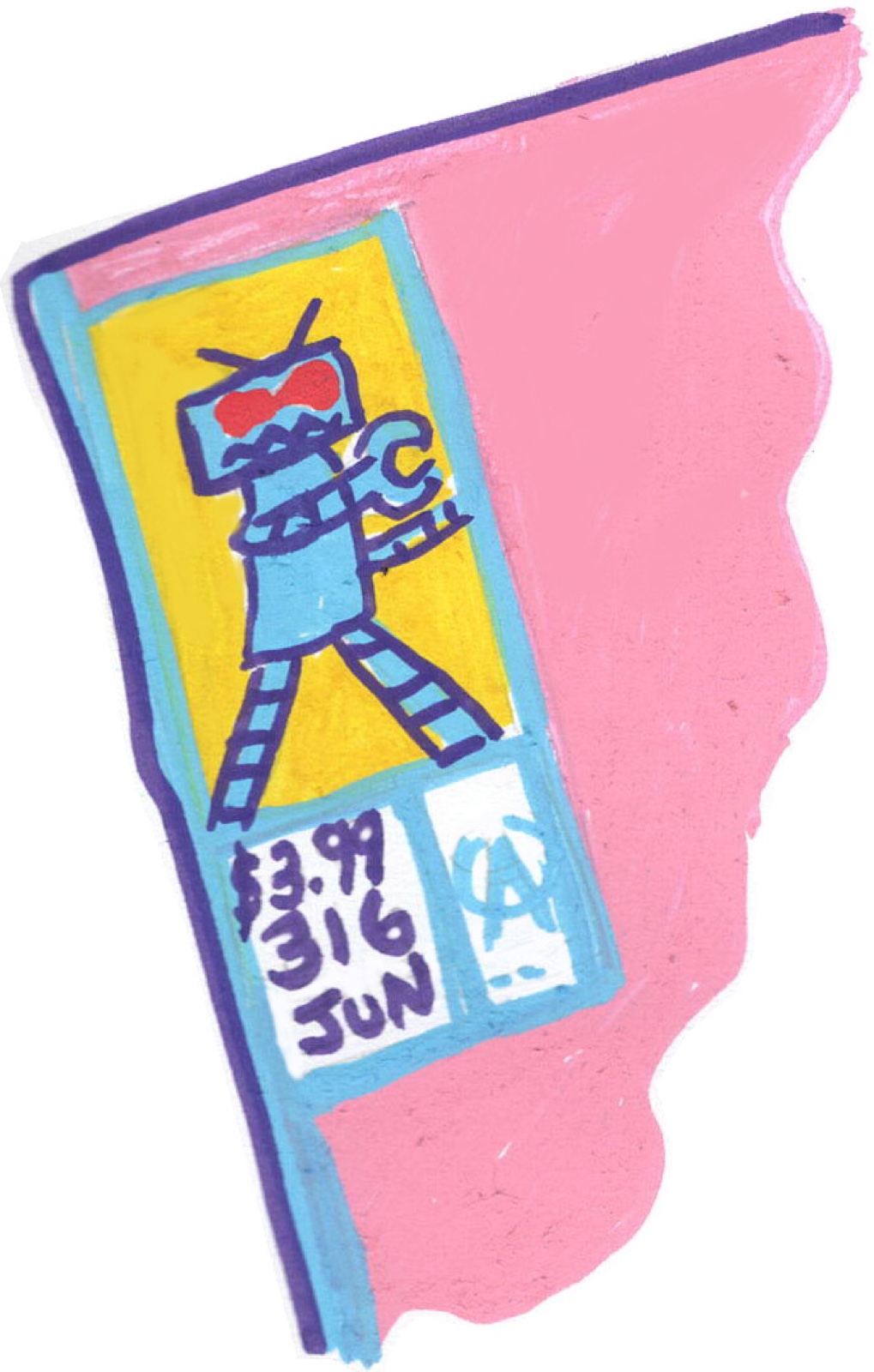
Let’s assume that you set a retail value of your comic at $3.99. That price will allow you to leave some profit on the costs. However if you ordered only 250 units, you’d need to raise your retail price to cover the costs.
| Printing | $1,217.57 |
| Price Per Unit | $2.44 |
| Shipping | $135.43 |
| Tax | $121.76 |
| Total Cost | $1,474.76 |
| Total Sales (500 × $3.99) | $1,995.00 |
| Profit | $520.24 |
| Printing | $1,157.04 |
| Price Per Unit | $4.63 |
| Shipping | $79.60 |
| Tax | $115.70 |
| Total Cost | $1,352.34 |
| Total Sales (250 × $3.99) | $997.50 |
| Profit | −$354.84 |
All costs considered here (shipping and taxes), printing 500 units compared to 250 units is the difference between a healthy profit and a loss.
Take a look at the values of these different configurations. The price of 250 units is $1,157.04, while twice as many copies is only $1,217.57. That’s only a difference of $60.53. Furthermore the price of 750 units is only another $23.11 on top of that. So for a little over $80 you could get three times as many comics!
For this reason we often encourage people to NOT print 250 units when going with an offset printing plan. The benefits from twice as many copies, for a modest increase in cost, make it a huge value benefit.
Economies of Scale: Stepping Up to 2,000 Units
Taking that a step further, you can really see how the economies of scale can help make a dramatic difference if you can afford to invest in larger quantities.
| Total Cost | $1,352.34 |
| Total Sales (250 × $5.99) | $1,497.50 |
| Profit | $145.16 |
| Printing | $1,526.37 |
| Price Per Unit | $0.76 |
| Shipping | $441.41 |
| Tax | $152.64 |
| Total Cost | $2,120.42 |
| Total Sales (2,000 × $2.99) | $5,980.00 |
| Profit | $3,859.58 |
Since you don’t want to price your book below what it costs, the retail for 250 units has gone up to $5.99. This leaves you with a slim profit if you are able to sell at the higher cover price.
However at 2,000 units you can afford to lower your cover price to $2.99 since your per-unit cost has shrunk down to $0.76. This produces a profit that nearly doubles your costs if you can sell through on the print run.
Remember: setup costs stay the same regardless of your quantity. So in a sense you’re making an investment in your project by choosing offset printing — and you’re not taking full advantage of that investment if you absorb so much of the setup cost into a tiny minimum order.
This is a big part of why offset has been such a successful style of printing for so long.
A Note on Reprints
Hopefully you’ll end up in the position of considering a reprint — because that means you sold out. This is a wonderful place to be for many reasons. If you’ve sold out of your first print run, you’ve established that there’s demand for your book or game, that you priced it correctly, and that you’ve found a marketplace that works for your product. All of that is no mean feat.
But consider this. If you need to go back to press shortly after your first printing, you have to order a new quantity and pay that startup cost all over again — plus wait out the reproduction and shipping time. Much of the publishing world runs on novelty, and by the time a second printing arrives the heat around your project may have died down. There will be a host of new releases competing for attention, and if your demand has already surpassed your inventory you’re leaving customers and sales on the table.
Go Bigger The First Time
This is tricky math to navigate, especially if it’s your first self-publishing effort and you have no previous data to gauge against. Your decision will come down to faith and confidence in your project — but from a purely business perspective, being bold will favor your wallet. Printing 500 units instead of 250 is a no-brainer. Consider what you could do with 2,000 units instead of 1,000. That larger quantity might last longer than you’d like, but with all the money you’ve saved on the high-quantity print, you can probably afford to discount the book after it’s been out for a while and still make a profit.
I got some great advice on this when I had to make the decision myself. My initial print run of my graphic novel was 1,000 units. After it was solicited into the distribution system, the orders came back accounting for almost the entire print run. This was fantastic — but it also left me with a very small supply. Should I do an additional print run? It felt good for the ego, and I had the money coming in from distribution sales. But: would I actually be able to sell that many more copies? I got quotes for a smaller second run, but due to the complex nature of my book, my printer told me anything under 1,000 units would cost the same as 1,000. So I pulled the trigger.
Books As Business Cards
Here’s the brutal truth: I still have hundreds of those books left, many years later. Do I regret it? No — because of the advice I got at the time: “Think of your book like a business card.” If you don’t have copies to show people what you can do, they’ll never know what you can accomplish. With the extra inventory I had, I’ve been free to offer my book to people as a calling card toward future opportunities. Those books were paid for long ago, so anything I do with them now is profit of one kind or another.
With the benefit of hindsight, I should have ordered 1,500 copies in the first place. That would have lowered my per-unit cost, eliminated the startup cost of a second print run, and kept inventory on hand while there was still novelty interest in the book. But hey — I didn’t know that then. All we can do is learn from our experiences, and it’s my hope that sharing real numbers here will help you make the call for yourself.
Offset vs. Digital: Which Printing Method Is Right for You?
But what about digital?
Let’s say 250 units is all you can afford and all that you have room to store. If that’s the case, digital is probably the way to go.

Here are some numbers for a project with identical specifications, but priced out with offset compared to digital at small quantities.
| 250 Units | |
| Potential Sales | $1,497.50 |
| Hard Costs | −$1,352.34 |
| Profit | $145.16 |
| 500 Units | |
| Potential Sales | $2,995.00 |
| Hard Costs | −$1,474.76 |
| Profit | $1,520.24 |
| 250 Units | |
| Potential Sales | $1,497.50 |
| Hard Costs | −$752.00 |
| Profit | $745.50 |
| 500 Units | |
| Potential Sales | $2,995.00 |
| Hard Costs | −$1,433.07 |
| Profit | $1,561.93 |
As you can see, you can profit in both methods, but only with a high retail cost. Even with that high retail cost, the offset pricing here barely makes you any profit on a full sell-through of all of your units.
On the other hand, a digital run will be cheaper (there are no setup fees on a domestic method) so even with the same retail price and potential sales, you’ll make far more profit.
That difference equals out at 500 units, but after that, offset economies of scale start to leave digital far behind. For a deeper technical breakdown of how the two methods actually produce a page, see our guide to offset vs. digital printing.
Lead Times: Why Digital Can Be the Only Way to Hit a Deadline
Digital also delivers a faster total turnaround time. On paper you can think about your project in a vacuum — but if you have real deadlines ahead of you, like a convention or a crowdfunding fulfillment window you’ve committed to, the faster production and shipping you get with domestic digital may be the only way to keep those promises.
A word of advice if you’re running a crowdfunding campaign: don’t commit to hard dates on delivery. Give yourself windows of time instead. Odds are, as you’re making your plan, you’re not accounting for all of the logistics.
Frequently Asked Questions
How do I know how many copies to print?
Ask yourself five questions: Can you sell the full print run? Is the price point competitive in your market? What are your total project costs beyond printing? Do you have storage space? And how are you selling — direct, at conventions, through a distributor, or on Amazon? Your honest answers to all five will narrow down the right quantity. For most first-time self-publishers, the answer tends to fall between 500 and 1,000 units.
Is it cheaper to print 250 or 500 copies with offset?
500 copies is almost always the better value. Because press setup costs are fixed regardless of run length, the total-price difference between a 250-unit and 500-unit offset run can be as little as $60. At 250 units, your per-unit cost is usually too high to sell profitably at a normal retail price.
When should I use digital printing instead of offset?
Digital printing is typically the better choice for runs under 500 units. Domestic digital has no plate-setup fees, so per-unit cost at small quantities is much lower than offset. Above 500 units, offset’s economies of scale begin to pull ahead, and past 1,000 units offset is dramatically cheaper per copy.
Ready to price your project?
Get an instant quote in under two minutes — no account required.
In our next post we’ll look at the factors to consider for your book or game design.
→ Part 2: Designing Your Book or Game (coming soon)

Jeff Zwirek is the Director of Operations for PrintNinja. “Having been involved in retailing, comics making, self-publishing, creating conventions, working in, and running a printing company, I’ve learned a lot. The best part of PrintNinja is when we get to help someone get their dream project across the finish line. To help them get that creative life out into the world and speak their vision to other like-minded souls.”
The Complete Series
How to Bleed: Tips and Tricks for Self-Publishers
- 1Know Your Quantity — you are here
- 2Designing Your Book or Game
- 3Choosing Your Paper and Materials
- 4Understanding Binding Options
- 5Preparing Your Files for Print
- 6Shipping and Fulfillment
- 7Distribution and Sales
Pricing examples reflect real PrintNinja quotes but may vary. Get your own instant quote for current pricing.