
Selling Your Game Post-Kickstarter: 13 Essential Next Steps
Published December 28, 2016 · Updated March 17, 2026
You put a lot of work into your Kickstarter campaign, and it paid off — you met your funding goal. But the campaign ending isn’t the finish line. Now it’s time to turn a successful crowdfunding campaign into a sustainable business.
The good news: the odds are in your favor. Research by Mollick & Kuppuswamy at Wharton found that over 90% of successfully funded Kickstarter projects remained ongoing ventures 1-4 years later, and 32% reported yearly revenues exceeding $100,000. Your campaign isn’t just a one-time event — it’s a launchpad.
Even more encouraging: Mollick’s “Containing Multitudes” study (2016) found that every dollar raised via Kickstarter generated a mean of $2.46 in additional revenue outside the platform. The money you raised on Kickstarter is just the beginning.
Your Kickstarter Page Lives On
Your Kickstarter page continues to exist after your campaign ends and will often rank well in search results for your product’s name. New visitors will find it long after the campaign closes.
Update your page on the last day of your campaign — once the deadline hits, you won’t be able to edit it. Include links to your online store and website so future visitors know where to find your product.
Continue posting Kickstarter updates even after the campaign: production progress, shipping timelines, and store launch announcements. This keeps your backer community engaged and drives traffic.
Fulfillment and Pledge Management
Before you can sell, you need to fulfill your backer rewards. Kickstarter’s fulfillment report, sampling 65,326 successfully funded projects, found that failure to deliver rewards was relatively rare at around 9%. But most projects deliver later than expected — so plan realistic timelines.
Most successful campaigns use a pledge manager to handle post-campaign logistics:
- BackerKit — the most popular pledge manager. Handles surveys, address collection, add-on purchases, and integrates with fulfillment partners. Also supports “late pledges” from people who missed the campaign.
- Gamefound — combines pledge management with its own crowdfunding platform.
Late pledges and add-on purchases through pledge managers often generate 10-20% additional revenue beyond your campaign total. This is a big part of why post-campaign revenue often outpaces the campaign itself.
For physical fulfillment:
- Self-fulfillment — cheaper for small runs, but time-intensive. Budget for packing supplies from Uline, postage via Pirate Ship, and many hours of labor.
- Fulfillment partners — Quartermaster Logistics, Ship Naked, or BackerKit Fulfillment will warehouse your product and ship individual orders. More expensive per unit, but frees you to focus on your next project.
van Otterloo’s research (2022) found that only about 30% of crowdfunded projects delivered on time or within six months. Use a fulfillment partner to avoid becoming a cautionary statistic.
Setting Up a Web Store
Make your product available online as soon as your campaign ends. Even if you can’t ship immediately, set up pre-orders:
- Shopify — the most popular platform for independent sellers. Handles payments, shipping labels, and inventory.
- Squarespace — clean templates with built-in e-commerce.
- WooCommerce — free WordPress plugin for existing WordPress sites.
- Etsy — good for reaching buyers browsing for unique, independent products.
- Amazon — Fulfillment by Amazon (FBA) handles warehousing and shipping, giving you access to the largest e-commerce audience.
Keep Spreading the Word
Marketing doesn’t stop when the campaign ends:
- Reviews — continue soliciting reviews from YouTube channels, bloggers, podcasters, and social media influencers.
- Social media — share unboxing photos, customer testimonials, and production updates. #BoardGameTok and #BookTok communities can drive significant post-campaign sales.
- Email list — your backer list is gold. Keep them updated on your store, future projects, and restocks. Use Mailchimp or ConvertKit to manage your list.
- Conventions and events — demo your product at events like Gen Con, PAX Unplugged, or local comic cons. Face-to-face interaction converts browsers into buyers.
- BoardGameGeek — maintain your game’s page, respond to reviews, and participate in forums.
Getting Into Retail Stores
Physical retail puts your product in front of a different audience — impulse buyers who browse shelves.
Retail Packaging Standards
Retailers have standards your packaging must meet:
- UPC barcode (get one from GS1 US)
- Product description and key details
- Creator/publisher name and contact
- Copyright and licensing information
- Country of manufacture
- Images showing what’s included
- For games: icons for play time, player count, and ages
Pricing for Retail
Set an MSRP (Manufacturer’s Suggested Retail Price) at 4-5x your manufacturing cost. Stonemaier Games’ pricing guide walks through the math in detail:
- Distributor buys at 40% of MSRP
- Retailer buys at 50% of MSRP
- Customer pays full MSRP
Research similar products to ensure your MSRP is competitive.
Working with Distributors
Distributors have relationships with retailers nationwide and handle warehousing, packing, and invoicing. Research which distributors carry products similar to yours and verify you can meet their minimum inventory requirements. The Indie Game Alliance can help indie creators navigate distribution.
Working Directly with Retailers
You don’t need a distributor. Start with local stores — visit in person, ask to meet the buyer, and bring a sample. For distant stores, email first and follow up by phone. If you have fans in other cities, enlist them as a street team.
Events and Conventions
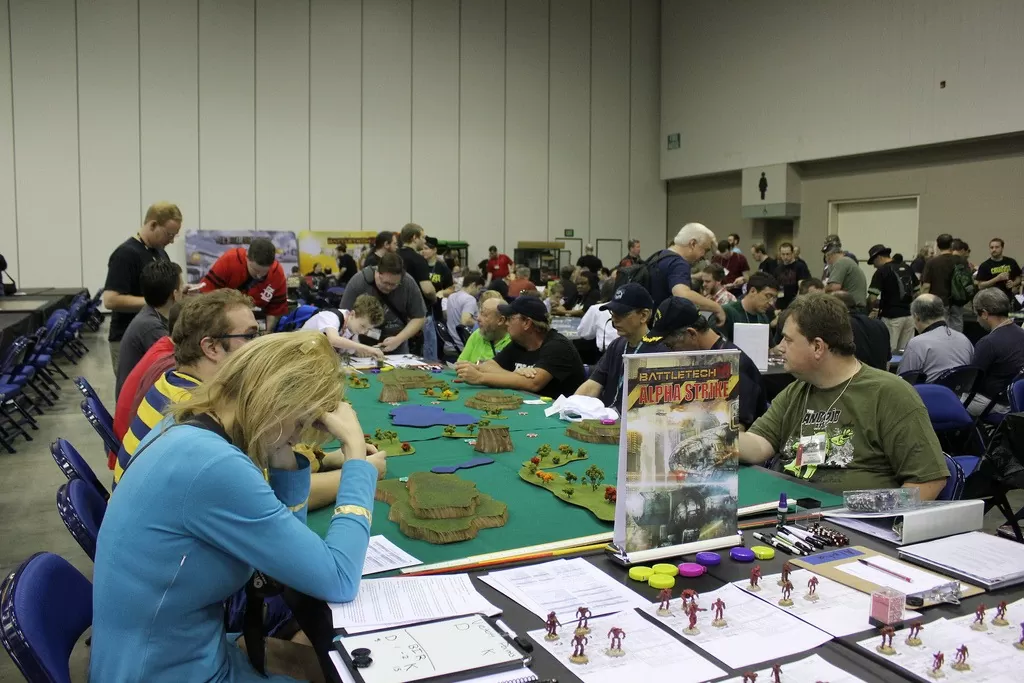
Conventions are excellent for meeting retailers, distributors, and customers. Come prepared with business cards, product samples, and a polished pitch. Stegmaier’s convention guide is a great resource for maximizing your time at events.
Publishers
Some crowdfunded products get picked up by established publishers. A fully-realized product with a proven audience is a strong pitch. Each publisher has their own submission guidelines, so research thoroughly.
Selling after the campaign takes real work, but the data shows it pays off — 90%+ of funded projects become ongoing businesses, and many creators go on to run even more successful follow-up campaigns.
Ready to plan your next campaign? Check out our guides on How to Start a Kickstarter and Marketing Your Campaign.
Sources & Further Reading
- Mollick, E. & Kuppuswamy, V. (2014). “After the Campaign: Outcomes of Crowdfunding.” SSRN
- Mollick, E. (2016). “Containing Multitudes: The Many Impacts of Kickstarter Funding.” SSRN
- van Otterloo, S. (2022). “Measuring project success.” ICT Institute
- Kickstarter. “Fulfillment Report.” kickstarter.com/fulfillment
- Stegmaier, J. “Kickstarter Lessons.” Stonemaier Games
- GS1 US. “Get a UPC Barcode.” gs1us.org