
Custom Comic Book Printing
Whether you're printing a comic book, graphic novel, manga or trade paperback, our custom comic book printing service makes quality printing easy and affordable.
Get Started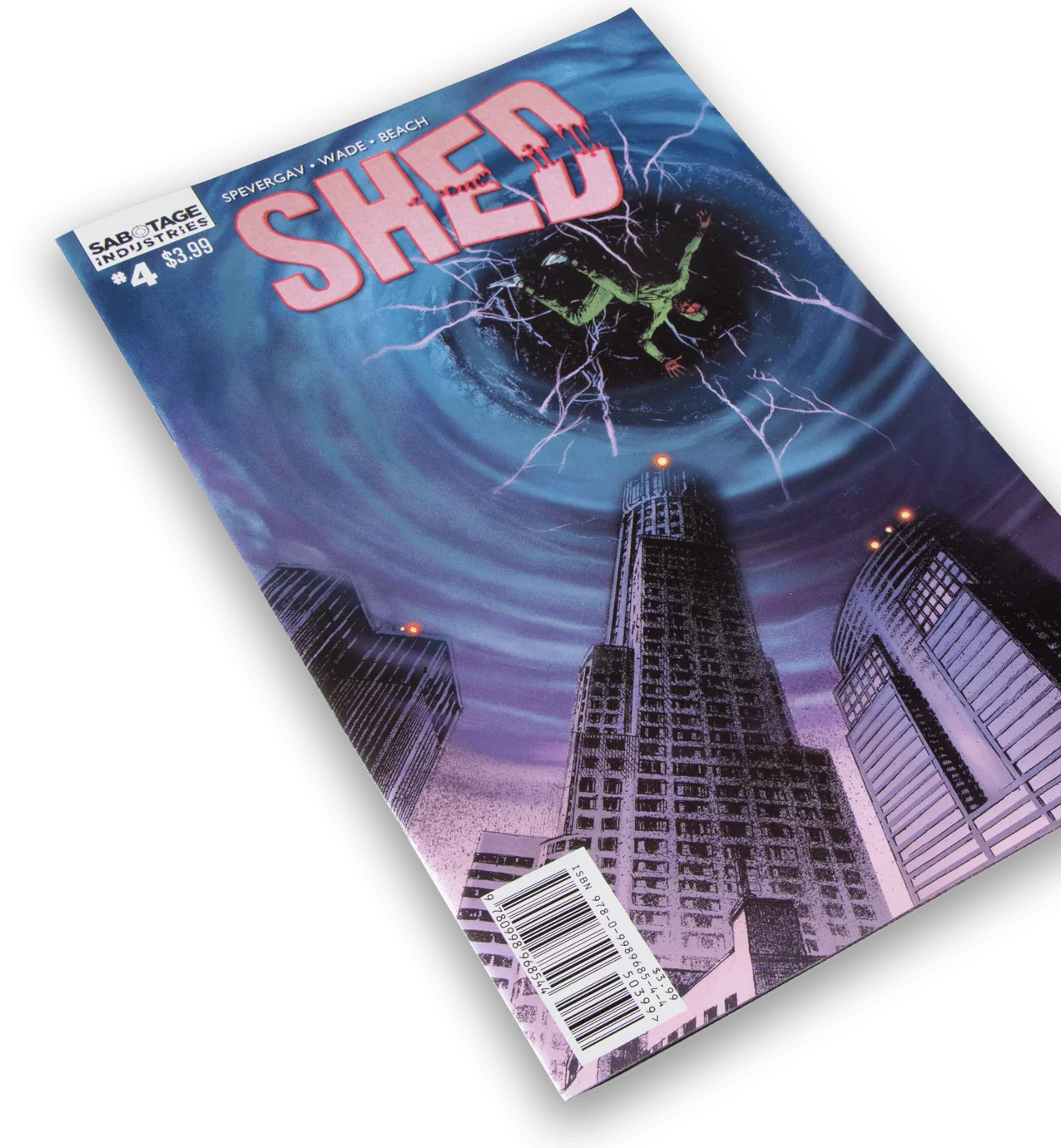
What Our Customers Say
Why Offset Printing for Comic Books?
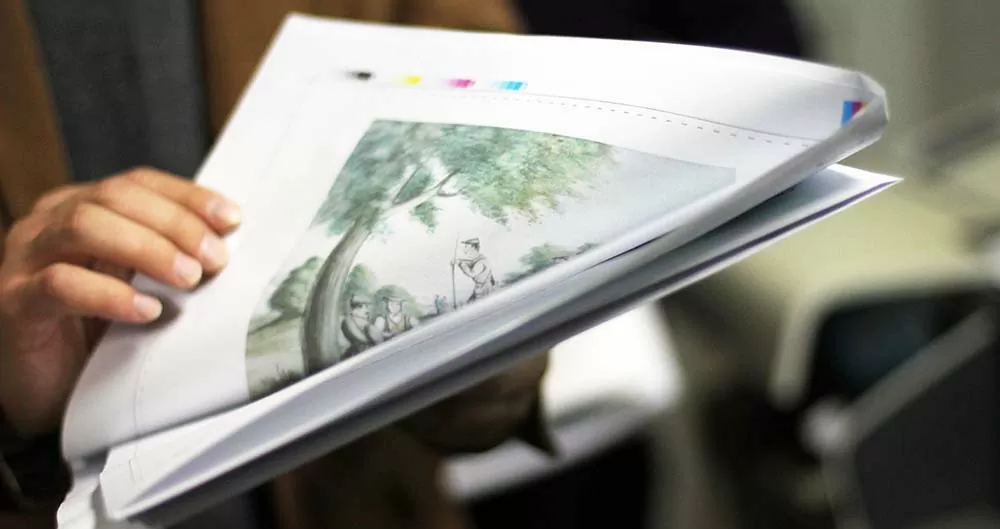
If you’re printing more than a few hundred copies, offset lithography delivers dramatically better results than print-on-demand services. Offset produces richer colors, sharper line art, and more consistent output from copy to copy. The per-unit cost drops significantly at quantities of 500 and above — making it the standard for indie comic publishers, webcomic anthology creators, and convention sellers who need professional-quality books at a price that allows for profitable retail and distribution.
PrintNinja prints comics using the same offset process and paper stocks used by major publishers. Every page is reproduced in full CMYK color (or black-and-white for classic-style comics) on calibrated presses, with color proofing available before production begins.
Comic Book Formats We Print
| Format | Typical Size | Binding | Page Count |
|---|---|---|---|
| Single-issue comics | 6.625″ × 10.25″ | Saddle stitch | 24–64 pages |
| Trade paperbacks | 6″ × 9″ or 6.625″ × 10.25″ | Perfect bound | 64–300+ pages |
| Graphic novels | 6″ × 9″ or 7″ × 10″ | Perfect bound or hardcover | 100–400+ pages |
| Manga | 5″ × 7.5″ (B6 / digest) | Perfect bound (right-to-left) | 150–250 pages |
| Webcomic anthologies | 8.5″ × 11″ or 6″ × 9″ | Perfect bound or hardcover | 50–200+ pages |
| Mini comics / zines | 5.5″ × 8.5″ or smaller | Saddle stitch | 8–48 pages |
We also print custom sizes. Whether you need an oversized art comic, a digest-sized anthology, or a European album format (8.5″ × 11.75″), we can accommodate your dimensions. See all standard comic book dimensions.
Paper and Cover Options
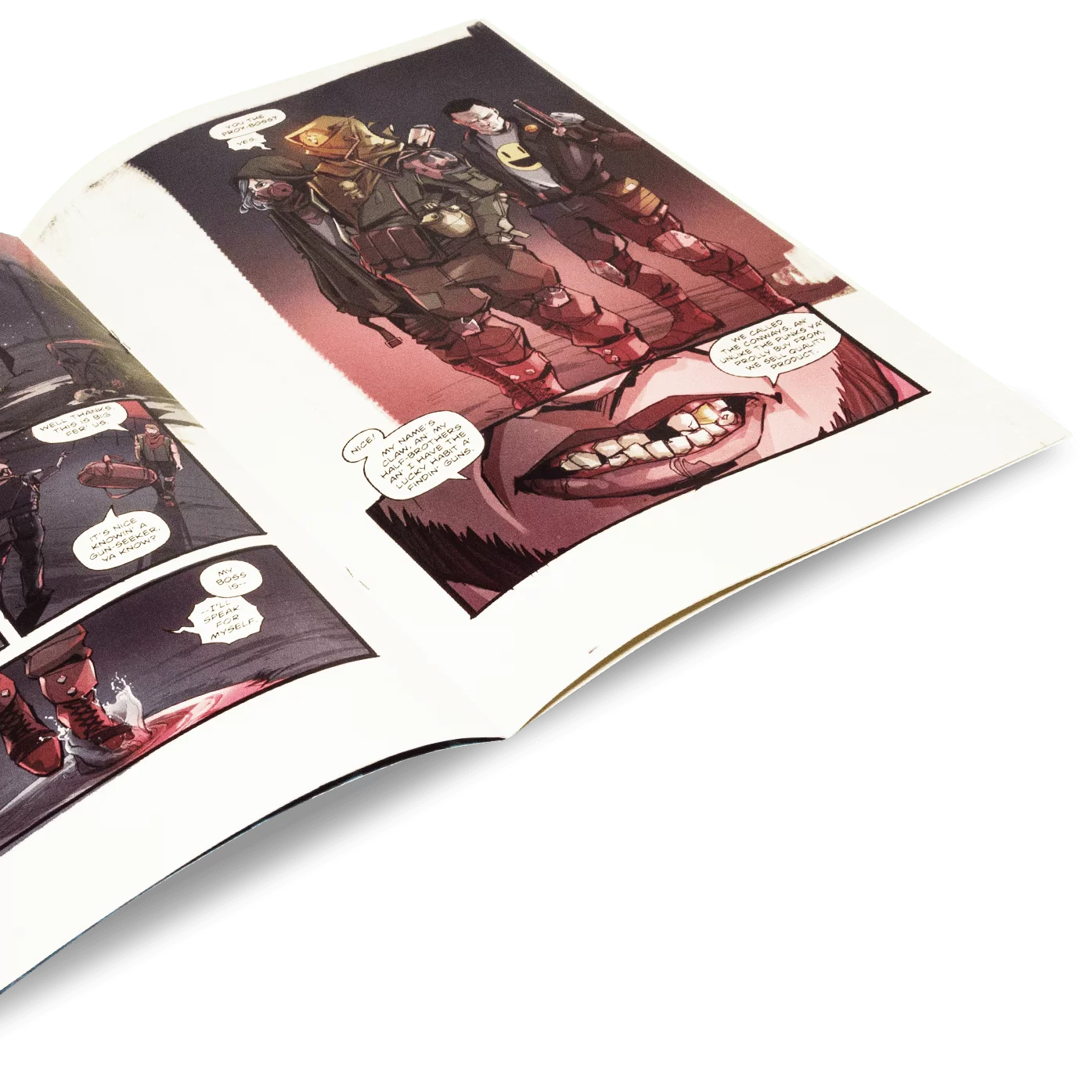
The paper you choose affects how your artwork reproduces on the page.
- 80# gloss text — The most popular choice for full-color comics. Smooth, bright surface that makes colors pop.
- 80# matte text — Non-reflective surface. Excellent for detailed or darker-palette comics.
- 60# uncoated text — Lighter, textured paper with a classic comic book feel. Popular for B&W.
- 70# uncoated text — A step heavier, still uncoated. Good for B&W comics that need more rigidity.
Covers are typically printed on 80# or 100# cover stock with gloss or matte lamination. For premium editions, we offer foil stamping, spot UV, embossing, and specialty finishes. Compare paper options.

Binding Options
Saddle Stitch
Stapled through the spine fold. The standard for single-issue comics up to about 64 pages. Clean, professional look with a thin profile.
Perfect Binding
Pages glued to a flat spine with a wraparound cover. Used for trade paperbacks and graphic novels with higher page counts (typically 48+ pages).
Hardcover (Case Binding)
Sewn signatures bound into a rigid case for maximum durability. Premium option for collector's editions, library editions, and omnibus volumes.
Specialty Options for Comics
- Variant covers — Print multiple cover versions for the same interior. Popular for convention exclusives and Kickstarter reward tiers.
- Foil stamping — Metallic foil on cover titles, logos, or design elements for a premium, eye-catching finish.
- Spot UV — Selective gloss coating for contrast effects on matte laminated covers.
- Dust jackets — Removable printed jackets over hardcover editions.
- Sketch covers — Blank or partially printed covers for artist sketches and convention signings.
Pro Tip
Variant covers and convention exclusives are a proven strategy for indie comic creators to drive Kickstarter pledges and increase revenue per title.
The PrintNinja Comic Book Process
- Get a quote — Use our instant online calculator to price your comic based on page count, size, paper, binding, and quantity.
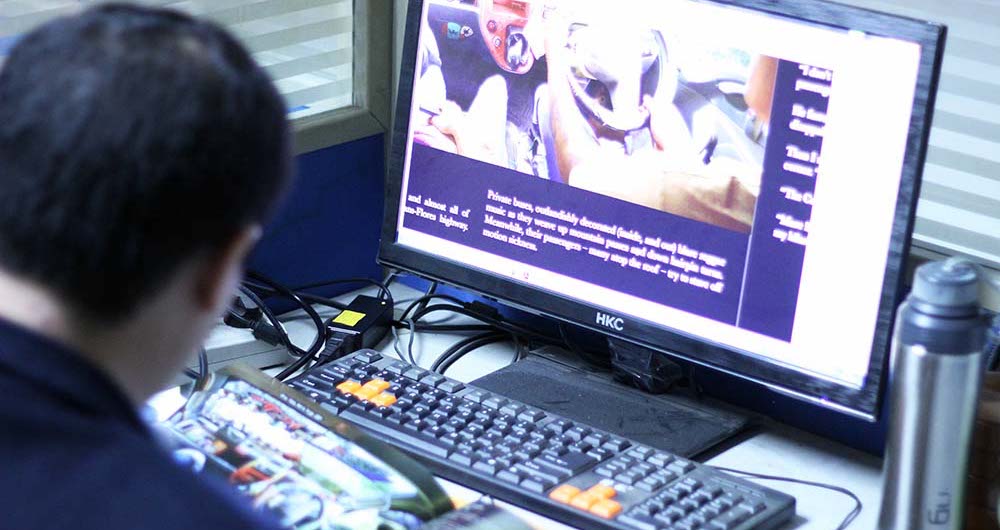
- Upload artwork — Submit print-ready PDFs. Our prepress team reviews every file for bleed, resolution, color mode, and page order.
- Proof review — Approve a digital proof (or order a physical proof) to verify color accuracy and page layout before production.
- Production — Your comic is printed, bound, trimmed, and packaged at our production facility.
- Delivery — We ship to you, your distributor, or your fulfillment center. Free ocean shipping on most orders.
Ready to print?
Our file setup guide walks you through bleed, resolution, color mode, and page ordering for comics.
Comic Book File Setup GuideWho Prints Comic Books with PrintNinja?

Indie Creators

Webcomic Artists

Kickstarter Creators

Small Publishers
Frequently Asked Questions About Comic Book Printing
How much does it cost to print a comic book?
Comic book printing costs depend on page count, paper type, binding method, and order quantity. A typical 28-page saddle-stitched comic in quantities of 500+ can cost as little as a few dollars per unit with offset printing. Get an instant quote with our online calculator for exact pricing on your project.
What is the standard comic book size?
The modern American comic book standard is 6.625×10.25 inches (called “current age” size). Other common sizes include digest (5.5×8.5), magazine (8.5×11), and manga (5×7.5). We print any custom size you need. See all comic book dimensions.
What binding options are available for comics?
Saddle stitch (stapled spine) is the standard for single-issue comics up to about 64 pages. Perfect binding (flat spine with glued pages) is used for trade paperbacks and graphic novels with higher page counts. We also offer case binding (hardcover) for premium editions. Compare binding types.
What paper should I use for comic books?
Most indie comics use 80# gloss text for vibrant color reproduction or 60# uncoated text for a more classic, matte feel. Cover stock is typically 80# or 100# cover with gloss or matte lamination. We provide free paper samples so you can feel the difference before ordering. Explore paper options.
What is the minimum order quantity?
Our minimum order is 500 copies for offset comic book printing. Offset printing gives you significantly better quality and lower per-unit costs compared to print-on-demand services, especially at quantities of 500+.
How do I set up my comic book files for printing?
Submit print-ready PDFs with 0.125-inch bleed on all sides. Each page should be a separate PDF page (do not submit as spreads). Use CMYK color mode at 300 DPI for full-color pages or 600 DPI for black-and-white line art. Read our comic book file setup guide.
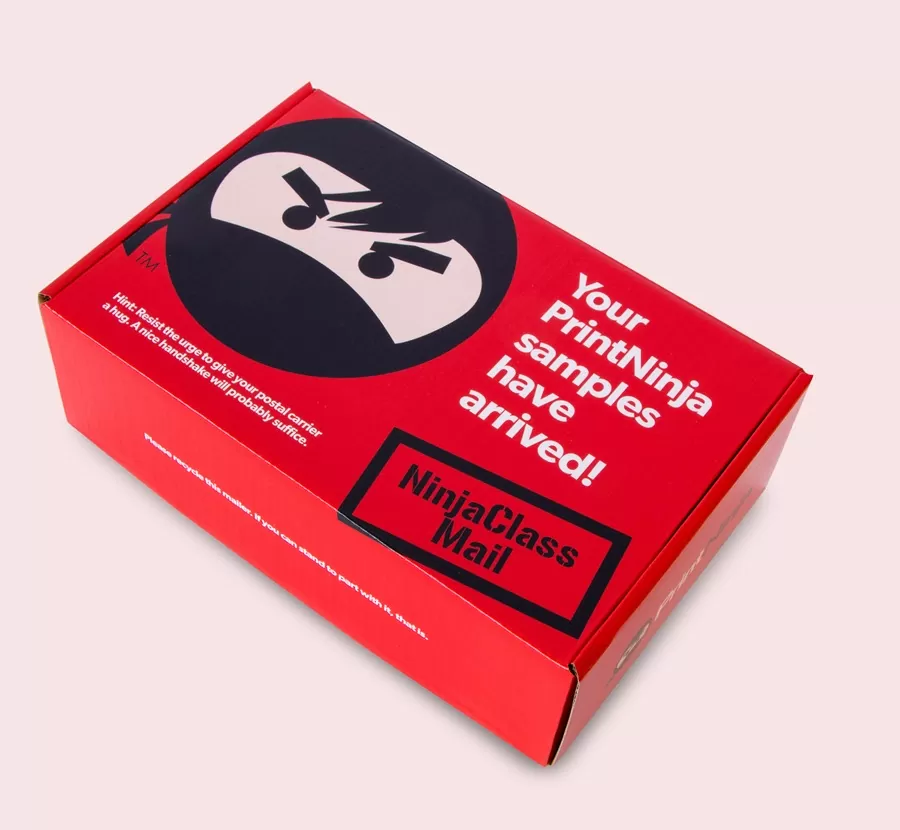
Need Some Samples?
Order a Sample Pack to get paper samples, printing tips, and samples of our work. Take the mystery out of the jargon and get comfortable with the printing process for your comic book.
The PrintNinja Standard Sample Pack includes:- Complete collection of our paper types
- Hands-on examples of paper coatings and finishes
- Printed samples of specialty add-ons
- Foil stamping color options
- Need-to-know file setup tips
- Walkthrough of our customer-friendly services